
Menu
Forex Trading Scams
Forex trading can be legitimate, but many traders lose money due to deceptive brokers and fraudulent platforms.
Understanding Forex Trading Scams
The Forex market is the largest financial market in the world and attracts millions of traders every day. While legitimate brokers do exist, the industry has also become a common target for fraudsters.
Forex trading scams occur when dishonest brokers or platforms manipulate trading conditions, mislead clients, or block withdrawals. Many victims only realize something is wrong after their funds are already locked or lost.
These scams affect both beginner and experienced traders and can result in losses ranging from small amounts to life-changing sums.
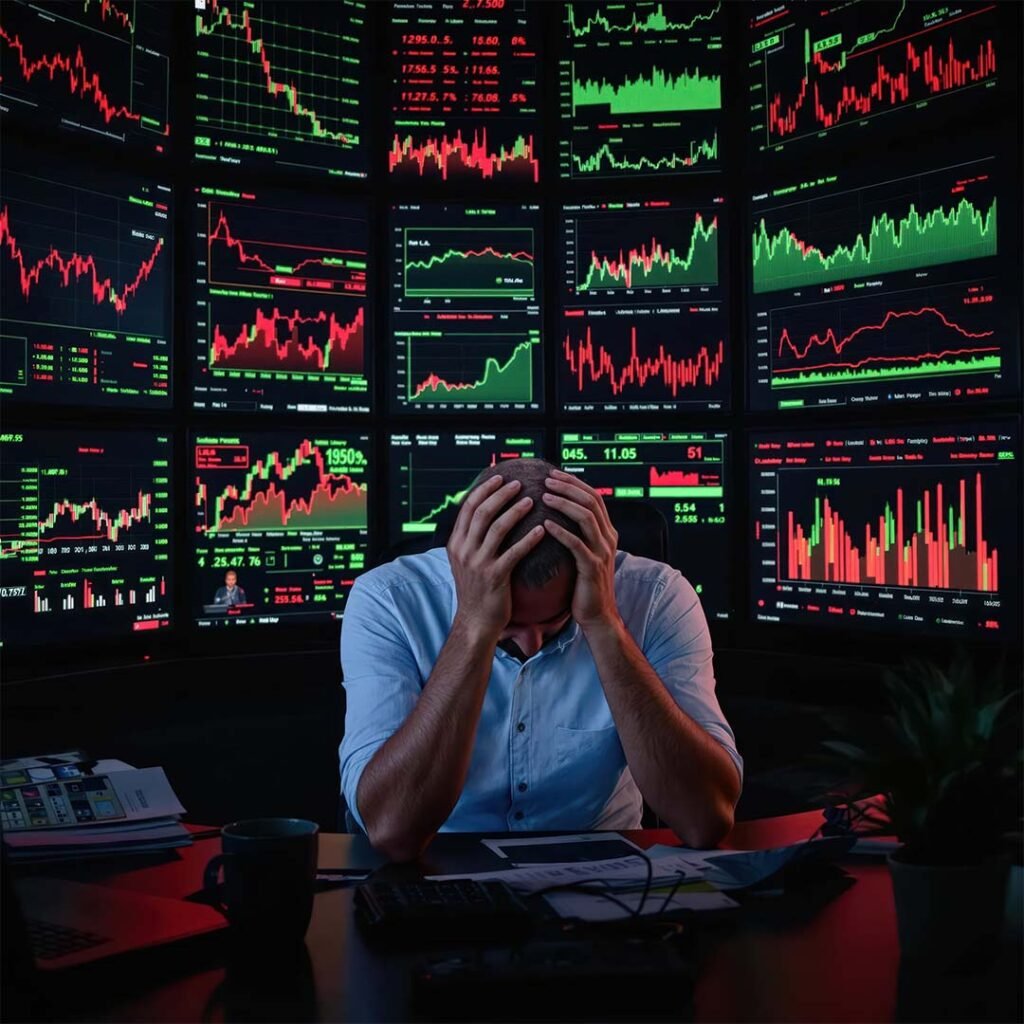
How Forex Trading Scams Work
How Traders Get Trapped
Forex scam brokers use deceptive systems designed to appear professional and trustworthy. In reality, their goal is to extract as much money as possible from traders.
Common methods include:
- Manipulated trading platforms
- Hidden trading conditions and rules
- Fake account profits to encourage more deposits
- Sudden restrictions on withdrawals
Traders are often unaware of these practices until they attempt to withdraw their funds.
Common Tactics Used by Forex Scammers
Deceptive Broker Practices
Scam Forex brokers rely on pressure, misinformation, and control.
Typical tactics include:
- Offering misleading bonus schemes with hidden conditions
- Imposing unfair withdrawal policies
- Making unsolicited calls and persistent follow-ups
- Pressuring traders to deposit larger amounts
- Discouraging independent learning and research
- Assigning “account managers” who push risky trades
In many cases, brokers make false promises of guaranteed returns — a clear warning sign of fraud.
Serious Fraud Indicators
Major Red Flags to Watch For
Some Forex scams escalate into serious financial fraud.
Warning signs include:
- Unauthorized trades made without your consent
- Sudden account losses after refusing to deposit more funds
- Website shutdowns with no notice
- Disappearing customer support
- Requests for additional payments to “unlock” withdrawals
When this happens, the broker may disappear entirely with investors’ funds.
Why Regulation Matters in Forex Trading
Regulation is one of the most important indicators of a trustworthy Forex broker. Most Forex trading scams involve unregulated or falsely regulated brokers.
Recognized regulatory authorities include:
- CySEC – Cyprus Securities and Exchange Commission
- ASIC – Australian Securities and Investments Commission
- FCA – Financial Conduct Authority (UK)
A legitimate Forex broker is regulated by a reputable authority within its operating jurisdiction. Traders should always verify a broker’s regulatory status before investing.
Steps to Take After a Forex Trading Scam
If you believe you’ve been targeted by a Forex trading scam, you’re not alone — and it’s not your fault.
Recommended steps:
- Stop sending additional funds immediately
- Save all emails, transaction records, and messages
- Avoid further contact with the broker
- Seek professional guidance as soon as possible
Early action can make a difference in understanding your options.
Other Scam Types
- Forex trading scams
- Cryptocurrency scams
- Binary options trading scams
- Dating/romance scams
- Bank Fraud
- Adoption Scams
- CFD scams
- Chat scam
- Corona virus scams
- Facebook scams
- Fund recovery scams
- Investment scams
- MetaTrader5 scams
- Tax scams
- Netflix scams
- Paypal scams
- Pension scams
- Pet scams
- Share and Bond scams
- Student loan scam
- Telegram scams
- Travel prize scams
- Weight loss scams
Email Us Anytime
info@scamreport.com
Call Our Experts
+1-554-077-079
Privacy & Security
All your information is 100% confidential and protected with SSL encryption.